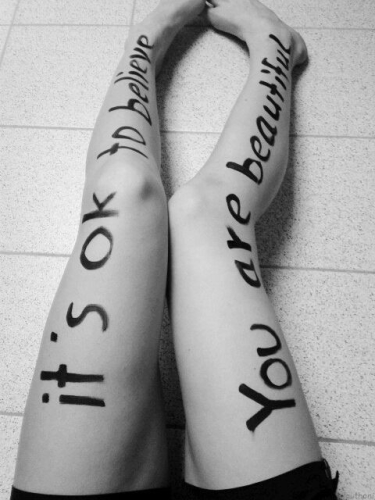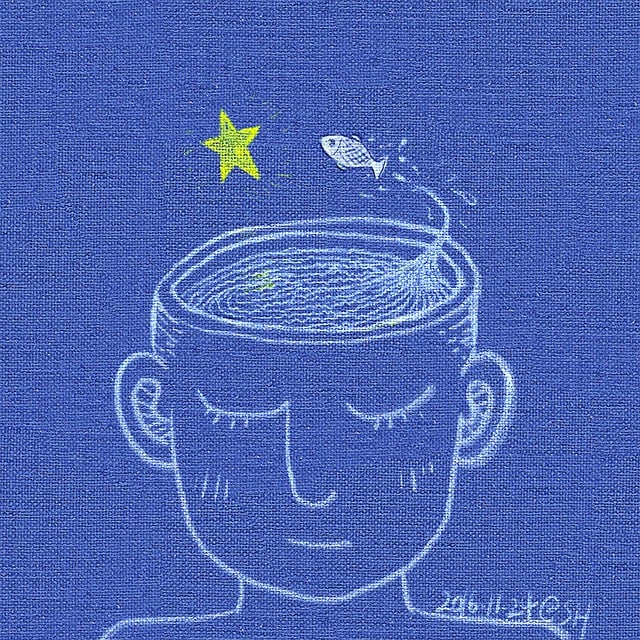
We all understand toxic positivity. This thinking that no matter the circumstances, we should all remain optimistic. Clearly that dismisses our need to feel however we feel. If you accidentally cut off your finger, you wouldn’t want someone telling you how lucky you are that you still have 9 left.
“It’s the hope that kills you, you know that? It lingers there every day.” – Ed James
“It’s not the fall that kills you; it’s the sudden stop at the end.” – Douglas Adams
“True hope is swift, and flies with swallow’s wings.” Shakespeare
“It’s the hope that kills you. Y’all know that? I disagree, you know? I think it’s lack of hope that comes and get you. See, I believe in hope. I believe and believe. Now, where I’m from, we got a saying too. Yup. Question, actually. Do you believe in miracles?” – Ted Lasso
By Dana Gornall
Hope.
It’s so easy to have a lot of feelings about hope these days. If you are near any screen there is story after story highlighting some sort of anger, some sort of despair, some sort of cog in the wheel dividing us once again. Attempting a hopeful outlook can seem naive at best.
As generations turn the wheel each decade, we learn more about ourselves as a culture, and we learn from our mistakes in the past (sometimes, but that’s another topic for another article).
We went from a generation of “suck it up, buttercup” and “pull yourself up from your bootstraps,” to a generation of “everyone is special, including you and me” and “everyone gets an award or a star because you all showed up.” Then the 90s and early 2000s came around and we realized that awarding everyone and labeling everyone as special was maybe not the best idea.
In the late 80s and early 90s, framed photos of beautiful landscapes with motivational quotes was a popular trend.
Every modern office had them posted, and many of us mounted them on our walls. Soon pop-psychology mainstreamed affirmations became all the rage. “I am confident. I am strong. I am successful.” This was so common it showed up in television shows and comedy’s like SNL. Just google Stuart Smalley skit from Saturday Night Live.
New Age thinking pulled tidbits from modern psychology and self-help books started rolling out titles like, The Law of Attraction, The Secret, Think and Grow Rich. This mindset seemed to believe that the way out of any hole was to think ourselves out, and it would happen—or manifest.
With the millennials shifting the culture and Gen Z entering adulthood, we see phrases and ideals like: gaslighting, narcissist and toxic positivity. To be clear, the meaning behind these terms are not new, but the labeling and awareness of them are more common in our everyday language.
We all understand toxic positivity. This thinking that no matter the circumstances, we should all remain optimistic. Clearly that dismisses our need to feel however we feel. If you accidentally cut off your finger, you wouldn’t want someone telling you how lucky you are that you still have 9 left.
So it’s no wonder we are here in this somewhat glass-half-empty frame of mind these days. It can be challenging to feel hopeful.
When I was first introduced to Ted Lasso, I felt this inner cynical resistance to it. The show seemed too saccharin—too fake. The themes ran overly syrupy, overly positive. But there was a piece of me that got hooked. Watching the character of Roy Kent—grumbly and grouchy, aging out of the career he built his life on, slowly get won over by Jason Sudeikis’ Ted Lasso, with his southern drawl and canned euphemisms somehow connected something in me. Like when all of the twinkling lights on the Christmas tree are out and replacing that one bulb lights it up again.
Hope can feel fake. It can feel silly. Let’s face it, we are a jaded bunch.
It can be easier to allow others to influence us to be angry. Every day we are growing further apart and becoming more divided—us vs them, Liberals vs Conservatives, Democrats vs Republicans. It’s so easy to get sucked into the hype.
But I’m going to ask something of you. I’m going to ask you to believe in hope again.
At one point in Ted Lasso, when the entire team was feeling cynical and pessimistic about their chances after losing another game, Ted posts a big yellow sign above the locker room door that read: BELIEVE. He wanted the team to let go of the negative loop thinking and begin to focus on what could be possible.
This thinking isn’t pure woo-woo pseudo-psychology. It is rooted in our brain’s neuroplasticity—the brain’s ability to re-wire itself and form new neural pathways. Positive thinking and positive self talk—those affirmations we talked about earlier—have the opportunity to change the chemical make up of the brain that can effect our mental health, effect our stress responses and in turn, help us live longer overall.
More importantly, the actions we take has the ability to positively influence others.
Have you ever been having a bad day, and someone doing something nice for you changed the rest of the day? Have you ever been in a grumpy mood and seeing something that made you feel light flipped the switch?
Allowing ourselves to believe again, to feel hope, can influence our outlook and create…happiness.
Sure, scoff. Roll your eyes. Laugh. But I know, that you know, there is something deep inside you that wants to believe in it again. Start with that. It may feel a little too syrupy and saccharin…it may feel fake. It’s the hope that will get us through the turmoil.
Start with hope. From there, we can move a little closer to finding some unity again. Start with believe.
“Everything can be taken from a man but one thing; the last of the human freedoms—to choose one’s attitude in any given set of circumstances, to choose one’s own way.” -Viktor E. Frankl
The Tattooed Buddha is looking for articles on Hope for the month of November. Would you like to be a part of it? Send us your words to: editor@thetattooedbuddha.com. See submission guidelines here.
Photo: Pixabay
Did you like this post? You may also like:
Comments

- Why are We All Watching the Monks and Their Peace Walk? - January 16, 2026
- The Hope That Kills You - November 22, 2025
- Finding Your Lion’s Roar in Political Times - June 30, 2025