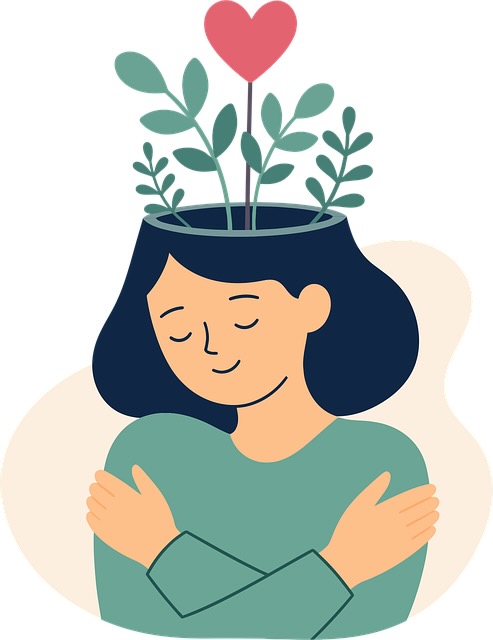
Traditionally, the practice begins with yourself. But many teachers today suggest starting somewhere gentler, because for so many of us, wishing ourselves well is the hardest part. When we are stretched thin, the heart closes a little to protect itself. We get shorter with people. We get harder on ourselves. Trying to force warmth in that state rarely works.
By Evelyn Mary
Some weeks arrive already full.
The inbox, the appointments, the family member who needs you, the news you wish you hadn’t read. By Wednesday you are running on habit, and the quiet part of you, the part that knows what matters, has gone very far away. On weeks like that, the advice to “make time for practice” can feel like one more thing to fail at. There is no hour of silence coming. There may not even be ten minutes.
I studied philosophy and loved the big questions about what we are. But none of it reached my heart the way three short wishes did: may you be happy, may you be safe, may you live with ease.
On weeks like these, loving-kindness earns its place. Known as metta in Pali and maitri in Sanskrit, it is one of the oldest practices the Buddha taught. In the Metta Sutta, he asks us to hold all beings with the boundless care a mother has for her only child. Pema Chödrön often speaks of maitri as unconditional friendliness towards ourselves, and that is where its quiet power lies. It doesn’t need a cushion, a quiet room or a clear head. It needs a few breaths and a willingness to wish someone well.
Why start with someone easy
Traditionally, the practice begins with yourself. But many teachers today suggest starting somewhere gentler, because for so many of us, wishing ourselves well is the hardest part. When we are stretched thin, the heart closes a little to protect itself. We get shorter with people. We get harder on ourselves. Trying to force warmth in that state rarely works.
So on a hard week, begin with someone who makes you feel safe, or who brings an easy smile to your face. A grandparent. An old friend. A dog, if that’s who comes to mind. The warmth for them is already there. You’re simply noticing it and letting it grow.
Research on loving-kindness meditation has linked it with more positive emotion and a greater sense of connection with others. But you don’t need a study to feel what happens in your chest when you think of someone you love. That softening is the whole point.
The practice
You can do this at your desk, in the car before you go in, or lying in bed when sleep won’t come.
- Sit or lie comfortably. Close your eyes if that feels right, and let your breath settle into its own rhythm. Don’t fix it. Just let it arrive.
- Bring to mind someone who makes you feel safe. See their face. Silently offer them these words:
May you be happy.
May you be safe.
May you live with ease. - Stay there for a moment. Notice any warmth, however faint.
- Now turn that same kindness towards yourself: May I be happy. May I be safe. May I live with ease. If this feels awkward, that’s normal. Say it anyway, gently, the way you’d speak to a friend who’s had a hard week.
- Finally, let the warmth widen. People you know. People you passed today and will never meet. People in every country. Every living being. May you be happy. May you be safe. May you live with ease.
- Take one slow breath and feel the weight of your body where it rests.
That’s it. On a good day it might take 10 minutes. On a hard one, two is enough.
The fuller traditional practice also includes a neutral person and, in time, someone you find difficult. Those are worth exploring when you have more room. On a week like this, it’s enough to begin where the warmth comes easily.
When it doesn’t feel like anything
Some days you’ll offer the words and feel nothing at all. The mind will wander to the shopping list, or to the conversation you’re dreading. You might even feel irritated with the practice for not working.
That’s fine. Loving-kindness isn’t a feeling you manufacture. It’s a direction you face. Each time you notice you’ve drifted and come back to the words, you strengthen the very thing the practice is built on: the choice to meet life, and yourself, with warmth rather than judgement.
However the meditation went, you showed up, and that is the practice.
What changes
Over time, small things start to shift. You pause half a second longer before snapping at someone. You notice the person at the checkout is having a hard day too. You catch the harsh voice in your head and, now and then, answer it more kindly.
None of this makes a hard week easy. But it changes where you’re standing when the week hits. Instead of bracing alone, you remember you belong to something larger: a web of people all trying, all tired sometimes, all wanting the same simple things. Happiness. Safety. A little ease.
A two-minute version
For the days when even this feels like too much, here is the smallest possible practice. Before you open your inbox, or while the kettle boils, take three slow breaths. On each out-breath, silently say: May I live with ease. Then think of one person and say it for them too.
Two minutes. No equipment. Nothing to get right.
Your week may still be full. But you won’t be moving through it quite so far from home.
Evelyn Mary is an Irish writer and teacher who has spent decades on the spiritual path. Previously traditionally published as a children’s author, she is the author of Come Home to Your Light: 111 Practices for a Soul-Led Life, a book of 111 simple practices for coming home to yourself. Free guided meditations are available at soulled.co, and she shares practices on Instagram at @soulledlife.

Photo: Pixabay
Editor: Dana Gornall
Did you like this post? You may also like:
Comments

- Loving-Kindness for the Weeks That Are Too Much - October 6, 2026
- The Finger on the Glass - September 30, 2026
- Fishes’ Eyes Swim with Tears - September 12, 2026