We need to work mindfully to keep our eyes healthy and clean, because they get caked with the daily grime of life. We’re the guardians of our own inner light. It’s important to protect it, nurture it, and share it. If we don’t, it’ll fade until we can’t see it anymore.
By David Jones
What is hope?
As a verb, it’s tied to our anticipation of good things, whether expressing desires or just wishful thinking. For some, hoping is serious, but for many it’s just something we say. If the hope doesn’t come true, it’s disappointing but not always a big deal.
“I hope it snows tonight and they close school.” The only serious thing here is that this kid doesn’t want to go to school tomorrow.
“I hope you feel better soon.” Rather than a prayer to a higher power, it’s just sincere kindness.
“You better hope Mom doesn’t find out.” True. You really don’t want Mom to find out.
But hope is also a noun, and it’s vital to our mental health. It’s our sustaining energy or mindset, that inner reservoir we draw on to keep going when we feel like giving up. In fact, the opposite of hope is despair. When Bodhisattva Guan Yin lost her hope, she fell into despair and shattered, unable to continue her work. And despair can erode any hope we still have, darkening and weakening our minds until we arrive at Hopelessness.
When someone starts saying they feel hopeless, it’s serious. It’s depression talking, a voice I know personally.
“I’m losing hope that things will ever get better.”
“I’ve given up hope.”
“I just feel so hopeless.”
Hope is a key part of the mind’s immune system. It fights off infections of despair and our tendency to cling to negativity. A weakened sense of hope leaves us vulnerable to spiraling downwards.
Buddha asks, “Why do you keep stirring up mud when you yearn for a still, clear pool?” We often work against our own best interests, wanting better health while continuing to do things that damage it. For Buddha’s followers, maintaining hope is the same as maintaining balance, and it shows we recognize the principle of Impermanence.
Hope is assurance, reassurance, and trust in the truths of the Dharma.
Maintaining hope is also part of our Practice. Sitting mindfully with our pain and distress helps us identify where our mind’s endurance might be leaking out. Meditating on The Six Perfections can help here. Try focusing on the impermanent nature of all things. Talking with others about our growing despair can also help, because folks losing their hope often become isolated, which just makes it worse.
A quote by Jesus shows how losing hope affects us: “The eye is the lamp of the body. If your eyes are healthy, your whole body will be full of light. But if your eyes are unhealthy, your whole body will be full of darkness. And if the light within you is only darkness, how deep is that darkness!” (Matthew 6:22-23)
We need to work mindfully to keep our eyes healthy and clean, because they get caked with the daily grime of life. We’re the guardians of our own inner light. It’s important to protect it, nurture it, and share it. If we don’t, it’ll fade until we can’t see it anymore.
I’ve lost too many loved ones to that darkness.
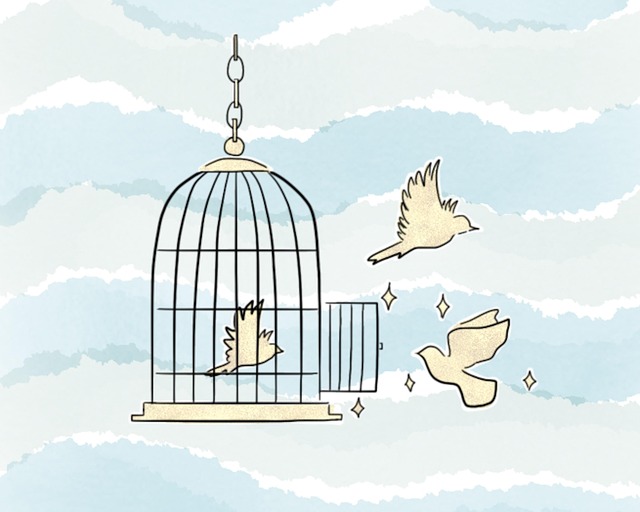
As good stewards of your light, protect your hope and help others with theirs where you can. Amitabha came to help Guan Yin when she crumbled. We can help each other too. All is impermanent, and in time we’ll see things change – so long as we don’t give up hope.
Be well.
Photo: Pixabay
Editor: Dana Gornall
Did you like this post? You may also like:
Comments

- A Change in Stance from Jehovah’s Witnesses, and a Dream of Compassion - October 9, 2026
- Bringing the Religion We Practiced Before Onto the Path - May 29, 2026
- The Gender Trap - April 2, 2026