Some men felt embattled, unsupported, and rudderless. It just seemed unfair. It’d be enough to send you running to therapy (as if you were allowed to admit you need help). The way forward wasn’t clear anymore. Where was my role model? My mom tried, but she was still trying to figure out her own life as a woman with a failed marriage, a son, and her desire to have a career.
By David Jones
Western society has failed its men with a mixture of indoctrination and ignorance.
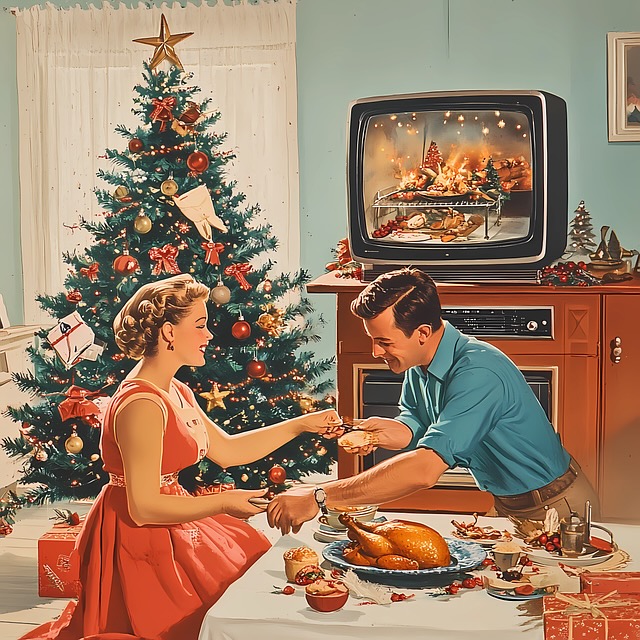
That isn’t a defense or excuse; it fails pretty much everyone that way. Male or female, we’re handed roles to play without concern for the actual human being underneath. Somewhere in the 1970s, women started working on their emancipation from rigid cultural obligations that traditionally imprisoned both men and women. They didn’t ask permission. They were just done and opted out.
The women who left those unhealthy gender obligations became a community that supported each other. Many became strong role models—women who embodied changes that were healthy and necessary.
And when men saw all this, many felt threatened, disrespected, and outraged at having to remain in a prison that women just walked away from. Others felt lost. Abandoned. They didn’t know they could leave too. They were expected to stay, upholding other generations’ obligations.
As a boy in ‘70s rural Missouri, this was serious.
My dad was a genuine manly man who played the role happily. As his son, I was expected to perpetuate the “correct” social power structure. I watched my dad hitting my mom because she was a strong-willed woman who finally stopped submitting to his whims. Once my parents divorced, he told me: “You’re going to have to be the man of the house now.” Dude, I’m eight!
Showing feelings that aren’t anger, arrogance, or horniness? You’re too girly! Maybe you’re just gay! Women want a real man! You ain’t a real man! But when I acted like a “real man,” it drove women away.
Freedom was a fool’s errand. Some men felt embattled, unsupported, and rudderless. It just seemed unfair. It’d be enough to send you running to therapy (as if you were allowed to admit you need help). The way forward wasn’t clear anymore. Where was my role model? My mom tried, but she was still trying to figure out her own life as a woman with a failed marriage, a son, and her desire to have a career.
After I’d grown up, I unwittingly performed my role.
Once I went with my girlfriend to get her car repaired at a shop where she was friends with the owner. I got possessive and territorial, standing between her and folks she’d known for years. And I didn’t realize I was doing it until she pointed it out to me. This happened a lot for awhile.
Another time I helped some folks move. Suddenly this big strong manly man showed up and carried furniture and appliances into the house by himself. I couldn’t compete with that! While the women orbited him in the house, I sat outside and cried Loser Tears. I felt so alone.
I finally woke up in my 40s, thanks to therapy. I’d got the wife, fathered the children, had a career, and tried to man up, and yet didn’t feel happy or successful. The script failed me.
Men today might long for those old ways. They revel in being a**holes, objectifying women and dominating others because it’s an established social identity.
For the rest of us, I have a few thoughts:
Causes and conditions.
Toxic male attitudes and behaviors don’t just happen, nor are you born with them. It’s conditioned thinking reinforced over time. Their identity arose from a wide variety of conditions, which then caused new conditions to arise. And even if society changes, the culture insists on keeping the old thinking. resulting in confusion, clinging, and more dukkha.
It’s indoctrination.
Like with religious or political conditioning, men need a safe place to heal and overcome unwise views and behaviors. It takes time and effort, and might need professional treatment.
It’s socially and psychologically predictable.
When people you value force-feed you expectations as obligations, you try to live up to them, even if you don’t agree with them. You say the “right words” and embody the “right view” to gain social and emotional approval, no matter how unwise those expectations actually are.
Compassion is needed.
If we truly want to help liberate and heal the victims of this toxic system, the first step is to identify with them. Guan Yin went so far as to become a man, woman, or child if that’s what it took to really identify with and relieve someone’s suffering.
Victim identity is common.
Men are entirely responsible for their own words and actions, and need to stop blaming others for everything, full stop. But some don’t accept that. “I’m doing my part but women aren’t doing theirs. My problems are their fault! Why do I have to play my role when they don’t? I gotta follow the rules and they can just decide not to? That’s not fair!” And shaming them doesn’t help.
Men need to learn how to manage their emotions.
I had to learn it after decades of denial, of shoving them down. That’s just what men did. Frustration, disappointment, fear, and admitting to needing help are things too many people don’t know how to deal with, so they lash out.
For men to heal from these toxic cultural expectations, they’ll need compassion and understanding, healthy guidance, discipline, and where necessary pointing out their harmful attitudes and behaviors that cause suffering (since they may not see it themselves). They’ll need to stop blaming others for their circumstances and recognize the real conditioning that led them to this point. They need to know it’s okay to let go of those old stereotypes and walk a better path.
May we all do our best to seek the true wellbeing of the men and women this culture has harmed.
Be well.
Photo: Pixabay
Editor: Dana Gornall
Were you inspired by this? You may also like:
Comments

- A Change in Stance from Jehovah’s Witnesses, and a Dream of Compassion - October 9, 2026
- Bringing the Religion We Practiced Before Onto the Path - May 29, 2026
- The Gender Trap - April 2, 2026