We eventually forget that we’re free and fall back into domestic passivity, like a drop of water submitting to the water cycle. So reality comes in bursts, like throwing open a window on a giant wall. We get glimpses of the world as ourselves, or of the world without ourselves (same thing) before the window falls shut again. Then it’s business as usual, we’re back to being snowpeople doing snow things.
By Anshi
Snow. It settles, it drifts, it falls, glistens, and evaporates. Everything is snow.
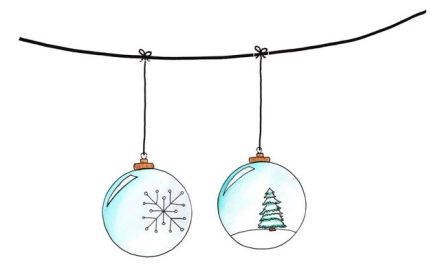
We’re like snowpeople in a snowy world, each of us trying to make ourselves real before we melt, many of us trying to create something that never melts. Something that remains. A cynic would say the creative drive is a way to attract mates and/or gain some kind of immortality. But it doesn’t feel that way, and the way something feels is the way it is for as long as we feel it.
We’re trying to be real because some deep-rooted instinct tells us that being real is the point behind all of this. Being real and making what’s in us real, bringing ourselves to life like Frosty singing and dancing by way of his magic hat.
To feel is to be, and to feel free is to be free.
The best use of freedom is in choosing to do things that make us feel free while shrugging off things that don’t. To be free means we’re free to feel what we’re feeling without needing to explain it, not even to ourselves. Therein is the magic of the moment.
In this moment, my thoughts dissolve as I sit gazing at a tree-shadow on an unblemished snowy lawn. My ears are filled with Chopin’s Nocturnes as my hands are warmed by the sunlight streaming through the window. I close my eyes and see scenes and feel feelings I could never voice with confidence. They flow and shift so seamlessly with the music—sorrow, joy, hope, fear, yearning and peace all trading places too quickly to pin down, and yet each occupies its own moment.
I am this. For as long as it’s playing, I am this.
Everything else falls away, all of my reasons vanish and I’m just myself. This takes me closer to being real than Buddhism and Hinduism ever did. All the meditation and mindfulness methods, all the teachings I’ve learned are nothing compared to this. And yet the song always ends and we find ourselves back in our own skins, chained to our limited senses and ordinary life.
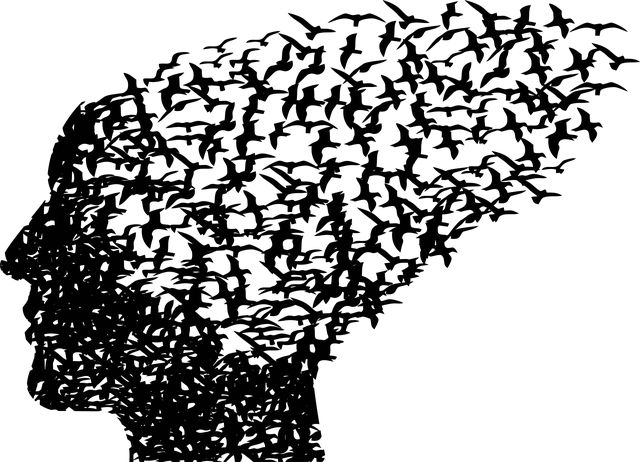
We eventually forget that we’re free and fall back into domestic passivity, like a drop of water submitting to the water cycle.
So reality comes in bursts, like throwing open a window on a giant wall. We get glimpses of the world as ourselves, or of the world without ourselves (same thing) before the window falls shut again. Then it’s business as usual, we’re back to being snowpeople doing snow things.
I can’t say if it’s possible to keep that window open all the time, or if we can even tear the wall down altogether, because I haven’t done it yet. I have my own walls and windows—my own darkness that I try to illuminate everyday.
But not now. Sitting in this snowy world, I smile, and there’s a soft warmth that has nothing to do with the sun. A warmth that could melt me, if I let it. Should we let ourselves melt? Or should we fight for our fragile snowperson-ness in a burning universe?
Returning to my senses, the question disappears.
Maybe that’s what being real, or what being our genuine selves means: coming to our senses. Just letting ourselves sense without needing to make sense out of it; to sit and let ourselves feel. What could be more real?
We're trying to be real because some deep-rooted instinct tells us that being real is the point behind all of this. ~ Anshi Share on X
Anshi (安狮) is the pen name for a certain Chan Buddhist. He calls his introspective, autobiographical writing, “Living Dharma.” All names are changed to protect the privacy of those involved. If you know who Anshi is, please refrain from telling anyone. Feel free to check out his Facebook page.
Photo: Pixabay
Editor: Dana Gornall
Did you like this post? You might also like:
Comments

- Loving-Kindness for the Weeks That Are Too Much - October 6, 2026
- The Finger on the Glass - September 30, 2026
- Fishes’ Eyes Swim with Tears - September 12, 2026