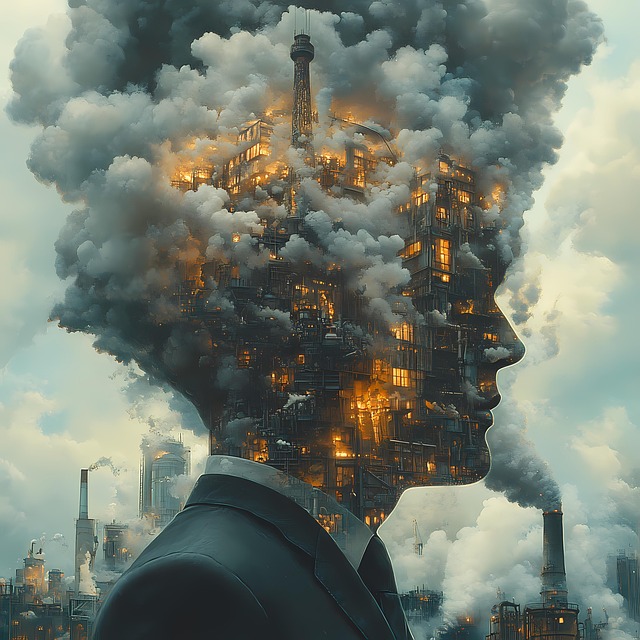
The experience of burnout after all is formed by our relationship to thoughts, emotions and actions, so being able to change our perception of things is how we can find happiness in the midst of stimulus.
By Rob Argent
Punk as a genre is known for its immediacy.
Why use any more than three chords when those three chords will get the job done, right? Much like the protest songs of the 60s before them, your typical punk rock number will be relatively simple from a musical point of view, and this extends to the song lengths as well. A third verse in this style of music is always a risky venture, and can dilute the short sharp shock of the song if it goes on too long—especially if it’s a very basic arrangement. All of which means that your average album runs to less than half an hour despite containing as many tracks as other records that easily pass the hour mark.
The first Ramones album, Fugazi’s 13 songs and Out of step by Minor Threat are all prime examples of how to get straight to the point and get out before the listener loses interest. And for good reason too!
A lengthy record with the same sound and constant aggressive energy will leave you feeling burned out. Sure, those first few numbers will get you fired up but by the end that continuous anger will just lose its effect, its impact all drained out. But burnout isn’t reserved solely for abrasive guitar-based albums with political lyrics.
Every day we face a barrage of information and emotion, and if we’re not careful, we can easily drown in it all.
From a Buddhist perspective we could see burnout arising from an excess of striving; always seeking to do more despite the limitations of our bodies and minds. By repeatedly pushing ourselves we are dwelling in dukkha of our own creation; the answer lies not in giving everything until we’re done in, but instead knowing when to pause. Finding a balance between toxic productivity and laziness will also be a difficult, everchanging challenge as we need to understand when we can strive and when we can’t.
This can vary from moment to moment and be influenced by any kind of internal or external factors. There are times when I’ve woken up raring to go despite a sleepless night and a cold bunging me up, and other times when I just can’t get into gear even though everything is going right. Listening to our bodies is hard, but it’s the only way to truly follow the middle way.
Cultivating a sense of self awareness, emotional honesty and self-care practices keeps us going without taking aware our sense of joy and enthusiasm.
The experience of burnout after all is formed by our relationship to thoughts, emotions and actions, so being able to change our perception of things is how we can find happiness in the midst of stimulus.
As a former volunteer for a charity campaigning for environmental change (I’m sure you can guess who that is), I witnessed so many others start to associate their hobby, or their passion, with endless challenges and little perceived success. The trick is to recognise any negative thought patterns that start to arise with your interest. This could be that you are being too hard on yourself, or starting to feel that it has become a chore with no reward.
Bringing the concept of Anatta to the situation, we can recontextualise our relationship between ourselves and our work. If our sense of self is a constantly fluid thing (and yes it is!) we can remember that all things are impermanent, so we can cherish the present before it changes once again. Reminding yourself that nothing lasts forever, and being grateful of the here and now, means that immediacy is the key.
After all, that’s why they make those albums short.
Photo: Pixabay
Editor: Dana Gornall
Did you like this post? You may also like:
The Apocalypse Will Not be Televised, it Will be Live (and unexpected)
Comments

- Sticking it to the Man, or Right Livelihood in the Modern Age - September 4, 2026
- Enlightened Playlists, or Why Listening to Albums is Good for You - August 7, 2026
- Why Punk Albums are (nearly) Always Short - July 3, 2026