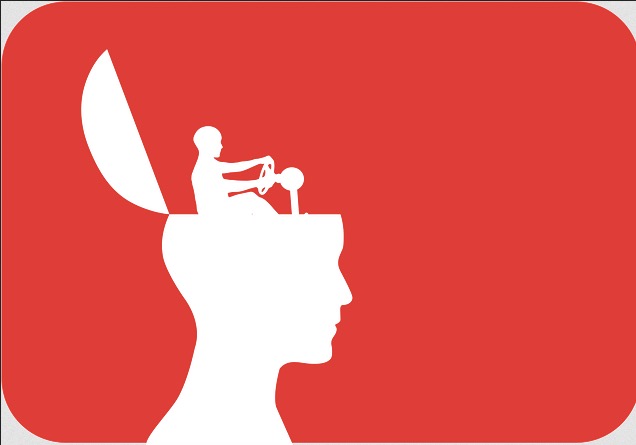
We look at the circumstances surrounding us. There are so many dangers. The effects of blind faith in concepts are visible; wars, genocide, the destruction of nature, the hoarding of wealth, the disregard for the other. Breaking with this enslavement is the first and most important action that must be taken. Many will think, what can I do? If you are practicing correctly you are already doing it.
By Angel Roberto Puente
There are so many concepts in the contemplative world:
The Vows, The Five Skandhas, Dependent Origination, Mahayana, Theravada, Bodhisatvas, Buddhas, Arahants, Heaven, Hell, Christ, The Church, God, The Absolute, Emptiness, No Self, Philosophy, Religion.
What do these words mean, where can they lead us to? Who cares? To whom are these words important, to whom are they worth living or dying for? Can you pinpoint who this is, can you let go of him, her, it, them?
Isn’t that the dilemma? Who enslaves us if not this immaterial character who lives in an imaginary place. We have a vague idea that this is our problem. You will hear this repeatedly mixed in with all these buzzwords mentioned before. But it’s another trap that keeps the wheels spinning in place.
Would you try to cure an alcoholic by giving them more alcohol?
Words and their explanations create more words and questions. If you are looking for liberation you have to practice liberation.
Try teaching anyone to ride a bicycle by explaining balance, pedaling, braking and steering. Tell them how you have to lean into a curve when going fast, without turning the handlebars. Make sure they understand all this, have them repeat it. Then push them down a steep hill.
Liberation is beyond words. You have to start with basic practices. With observation you start having insights about what works.
Most insights are still tainted by ideas but are still on point. Do they serve to make living easier and closer to durable satisfaction? That’s your proof of validity. Detachment is the practice—not as an idea or something you believe in. It’s in the bones, in the joy of being able to choose what to take, what to leave.
Detachment grows. Full detachment always comes as a surprise.
All the little moments of recognizing that there is freedom from the things that trap our attention suddenly reach their maximum point. It’s like nothing you have seen before or even imagined. All things disappear.
What is that called? Call it whatever you want. No name will ever touch what it really is. See for yourself. Step onto the road. Walk steadily and don’t stop at the sights. There’s always something new to see. Establishing the primacy of awareness is the aim of practice. Awareness has to be tethered to an object to be visible. The breath is the ideal object. Once tethered, expansion is the movement.
Stay aware. Everything else comes and goes, let it. Just watch. Don’t try to watch, don’t watch yourself watching. It’s all natural, don’t interrupt with your fears, your wanting to control because you don’t know what’s next. Life flows.
We look at the circumstances surrounding us. There are so many dangers. The effects of blind faith in concepts are visible; wars, genocide, the destruction of nature, the hoarding of wealth, the disregard for the other. Breaking with this enslavement is the first and most important action that must be taken. Many will think, what can I do? If you are practicing correctly you are already doing it.
The theory of memes can suggest how this can happen.
We know about internet memes and the way they become viral and seen by millions of people. But this is only about fads. The themes continually change according to what the media feeds us. But this was not the original meaning of the word meme.
In 1976, British biologist Richard Dawkins wrote in his book, The Selfish Gene: “Just as genes propagate themselves in the gene pool by leaping from body to body via sperm or eggs, so memes propagate themselves in the meme pool by leaping from brain to brain via a process which, in the broad sense, can be called imitation …If the idea catches on, it can be said to propagate itself, spreading from brain to brain.”
This quality of leaping from “brain to brain” has been recognized in the teacher-student relationship in most contemplative traditions. But you don’t have to be a teacher.
If you are a good practitioner and have advanced to the point where your mind is still most of the time, you begin to affect the people around you. Especially with the non- reactivity of staying in the moment. People notice the stillness when everybody else is acting like a scared roach in room full of chickens.
Imagine if a tipping point of at least 15% of the population exhibited this condition of mental stillness. Wouldn’t it be possible that the contagion would spread like a meme? I believe it would. I also believe that the fragmentation of practices and traditions prevents this from coming true.
Let’s use science to establish what works. There is already a good start. Then we may not have to go through the convoluted route of finding a reason to care. Caring will be natural.
Chögyam Trungpa comments on the 10th Oxherding Picture:
“The moon has no desire to reflect, but that is its nature. The state is dealing with the earth and ultimate simplicity, transcending the need to follow anyone’s example. It is the state of ‘total flop’ or ‘old dog.’ You destroy whatever needs to be destroyed, you subdue whatever needs to be subdued, and you care for whatever needs your care.”
Photo: Pixabay
Editor: Dana Gornall
Did you like this post? You may also like:
The Cave, the Mind, & the Rescue: A Modern Parable for the West
Comments

El amor de Ángel Roberto Puente por la investigación comenzó desde su infancia cuando desarmaba los juguetes que recibía en Navidad. Lo único que consiguió después fueron juegos de montaje. Una experiencia temprana de lo no conceptual lo llevó a un viaje para reconciliar una educación cristiana con la práctica de Zazen y los estudios de Psicología. Habiendo logrado una solución cómoda, ahora se sienta con Morning Star Zendo. Un grupo zen dirigido por un sacerdote jesuita/Roshi. Como introvertido maduro, todavía separa las cosas, y ahora los conceptos y las creencias. Check out his site here.
- Are You Enlightened? - September 28, 2026
- The Art of Attention - August 26, 2026
- A Good Story - July 8, 2026