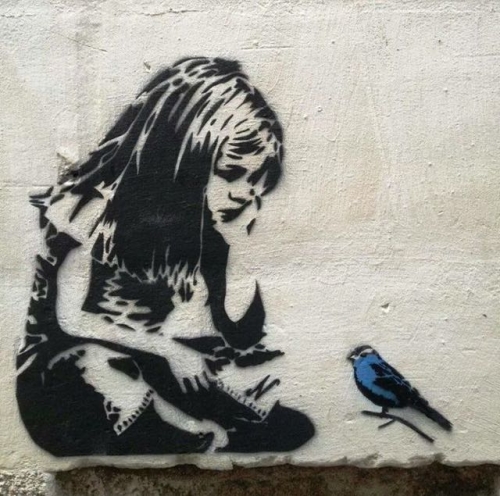
Betrayal grief doesn’t move in a straight line. It pulses in waves: rage, sorrow, shame, numbness, sometimes all at once. Without context, it can feel like your mind is unraveling.
By George Cassidy Payne
“What if I’m the problem?”
He asked me this after recounting the worst year of his life: discovering his wife of 13 years was cheating, being involuntarily hospitalized (“it was torture,” he said), and coming out the other side with his trust shattered, his hobbies hollow, and his self-worth in pieces.
This wasn’t a therapy session. I’m not his therapist. But as a crisis counselor—and as someone who bears witness to human suffering in its rawest form—I hear this kind of grief often: relational, gutting, unfiltered.
He wasn’t just mourning a marriage. He was mourning a future, a narrative, a version of himself that no longer existed.
And in the wake of that betrayal, he spiraled inward. “I just don’t see a point in life anymore,” he told me. “I planned my life around her. Now I don’t even know what I want. None of it matters.”
When Love Ends, Identity Collapses
Survivors of infidelity, abandonment or narcissistic abuse have long known it: the death of a deeply committed relationship can trigger trauma almost indistinguishable from PTSD. When betrayal, gaslighting, or emotional abuse are involved, grief becomes a labyrinth. The person may:
- Blame themselves (“I should have been better.”)
- Lose trust—not just in others, but in their own perceptions
- Detach from former passions or life goals
- Experience emotional swings, sleep disruption, or suicidal thoughts
This isn’t a mental disorder. This is trauma.
You’re Not Bipolar. You’re Betrayed.
“I feel insane. Maybe I’m bipolar,” he said at one point.
It makes sense. Betrayal grief doesn’t move in a straight line. It pulses in waves: rage, sorrow, shame, numbness, sometimes all at once. Without context, it can feel like your mind is unraveling.
But it isn’t. It’s a nervous system reacting to a shattered attachment. Research shows romantic betrayal can trigger the brain’s threat detection systems like physical pain or traumatic injury. Heartbreak is only the surface; underneath, the body is fighting for safety.
What matters most? Witnessing the pain. Saying, “You’re not insane. You’re hurting. And that pain deserves acknowledgment.”
“Everyone Says Get Over It”
Grief that defies social scripts is often dismissed.
When a spouse dies, casseroles arrive, condolence cards come, and mourning is socially sanctioned. But when a relationship ends in betrayal—especially for men—grief is often minimized. “Get over it. She wasn’t worth it. Be a man.”
Yet he wasn’t just grieving her. He was grieving the man he had been with her. And without a path forward, he was swallowed by despair: “I don’t have a plan. I don’t know what I want anymore.”
Trauma doesn’t just take from us; it makes the future feel unknowable, unsafe, and impossible.
What Helps
If you’re supporting someone through relational grief, here are three anchors:
1. Validate the Depth of Their Loss
Don’t rush or minimize. They’ve lost safety, identity, and direction, not just a person.
2. Normalize the “Madness”
Emotional swings, numbness, anger, and apathy are normal trauma responses. They’re not losing their mind, they’re recalibrating after a rupture.
3. Offer Nonjudgmental Presence
Answers aren’t as important as witnesses. “You’re not a burden. You’re allowed to feel this. And I’m here.”
Final Words: You’re Not the Problem
At the root of his questions—What if I deserved this? What if I’m flawed?—was shame: deep, corrosive, isolating.
I told him: “You gave her everything. That doesn’t make you weak, it makes you courageous. Her betrayal doesn’t mean you failed. It means you trusted. Trust is not the flaw, it’s the wound.” We need spaces where grief isn’t pathologized. Where trauma isn’t called “crazy,” but recognized as what it is: a wound demanding care and attention.
No, you’re not the problem.
You are the one still standing in the storm.
And that matters more than you know.
Photo: Pixabay
Editor: Dana Gornall
Did you like this post? You may also like:
Buddha Nature and Mindfulness: When Emotion Pulls Us into the Abyss
Comments

George’s essays have appeared in publications such as The Good Men Project, The Buffalo News, The Rochester Democrat & Chronicle, and many more. A poet at heart, his work often blends memoir, philosophy, and theological reflection, rooted in the belief that language can be both a balm and a spark.
Whether reflecting on the writings of Marcus Aurelius, the parables of Jesus, or the mindfulness of a Jain monk sweeping the ground before them, George writes to make space for wonder, doubt, and dialogue.
He joins The Tattooed Buddha as a regular columnist to explore themes of death, inner peace, activism, grief, and contemplative life in a world on fire—and to ask, again and again: How can we live as if everything we do matters?
- Who Are You Beyond Your Labels? - August 19, 2026
- From Space Earth Looks Almost Unchanged, From Within Every Moment is an Opportunity - July 20, 2026
- Trauma and Remembering How to Heal - July 9, 2026