By George Cassidy Payne
How can an all-powerful, all-loving God permit the horrors of human suffering—catastrophes like the Holocaust?
That question, ancient and agonizing, keeps surfacing in the hearts of seekers and skeptics alike. For those of us who wrestle with both belief and doubt, it’s a wound that never fully heals. If God is good, if God is real, then why so much pain?
What I keep circling back to is this: free will.
It’s not a new answer, and it’s not an easy one either. But maybe it’s where the mystery starts to make a little sense. If we’re truly free to love, we must also be free to hate. If we can create, we must be capable of destroying. God, in this view, doesn’t micromanage our lives. God creates the conditions for moral agency, and then lets us choose.
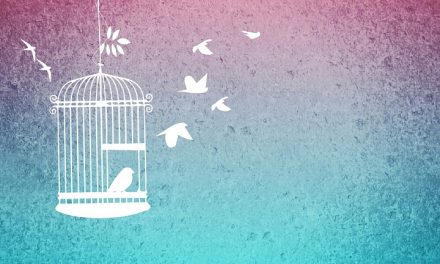
But here’s the deeper tension: Did we ask for that freedom? Or was it embedded in us without our consent? Maybe freedom is like light in the sun. It radiates from the divine nature. It’s not something we chose, it just is. Like the bird doesn’t choose to have wings. We are born with it, this strange, aching freedom.
Some would call it a gift. Others might say it feels more like a burden. Either way, we’re handed the power to heal or harm, and we live with the consequences.
So where does that leave God?
I don’t believe God is off the hook. If God is the source of everything, then the freedom we have, the capacity to do harm, is rooted in divine being too. But perhaps God isn’t a distant manager handing out punishments and rewards. Maybe God is more like an artist, painting with rhythm and instinct, whose creation is both deliberate and wild. Or maybe like an ocean: vast, alive, giving rise to waves that crash and recede. We are the waves, not separate, but distinct. We carry that power within us.
And so we are responsible for what we do with it.
The Holocaust is the darkest example I know of freedom gone terribly wrong. And it shakes me to my core. How could a good God allow such suffering? I won’t pretend to have an answer that can hold the weight of that grief. But I do believe that if freedom is real, then suffering must be possible. And if love, compassion, and beauty are also real, then freedom must be preserved, even at great cost.
Still, I wonder: is the cost too high?
There are days when I think it is. But then I remember that without struggle, we’d have no need for courage. Without pain, compassion wouldn’t mean much. We don’t always get to choose what happens to us, but we do get to choose how we respond. That’s where our power lies.
And what about the suffering of children? Of infants who haven’t had a chance to choose anything? That’s where the argument for free will feels like it starts to crack. How do we talk about divine justice or moral responsibility in the face of such innocence and pain?
Maybe we don’t. Maybe we listen instead. Maybe we hold space for mystery. And maybe we turn toward other traditions—like Buddhism—for wisdom.
Buddhism doesn’t try to solve the problem of suffering the same way. It starts from the premise that suffering is, and then asks how we relate to it. It doesn’t glorify pain. It doesn’t say it’s necessary. But it does say it can wake us up. Not just the big traumas, but the everyday heartbreaks. The little losses. The quiet aches. With mindfulness, presence without grasping, we begin to see those moments clearly. And sometimes, we even find liberation there.
It’s not just about enduring suffering, it’s about transforming it. Not through force, but through understanding. Through awareness. Through letting go.
And that’s where compassion comes in.
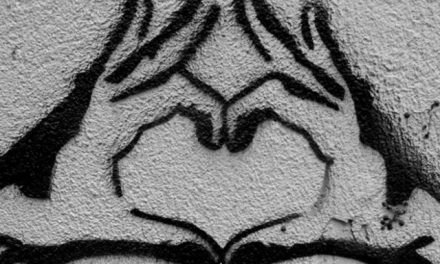
Compassion, not as sentiment, but as a practice. A way of living. A path that connects us to others, even in our own pain. The bodhisattva path speaks to me here, this idea that our own awakening is bound up with the awakening of others. That we don’t just get free from suffering, we get free through love.
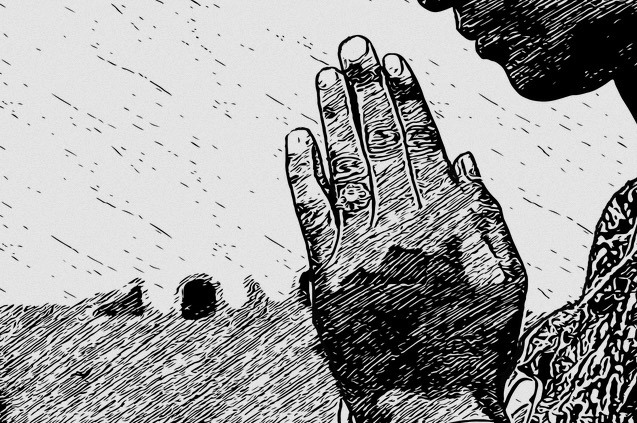
This is where the two traditions start to harmonize for me. Christianity at its best, and Buddhism at its deepest, both understand that transformation comes through engagement, not avoidance. We don’t run from the world’s pain. We meet it, eyes open, heart open. We respond with patience, generosity, wisdom. We cultivate a way of being that makes healing possible, not just for ourselves, but for everyone.
That’s what makes life meaningful. Not avoiding suffering, but growing through it. Choosing compassion even when it hurts. Trusting that the divine is not somewhere else, pulling strings, but here, in the mess, in the tears, in the broken beauty of it all.
There are no easy answers. But maybe that’s the point.
Maybe the mystery of life is not something to solve, but something to embrace.
Photo: Pixabay
Editor: Dana Gornall
Did you like this post? You may also like:
Comments

George’s essays have appeared in publications such as The Good Men Project, The Buffalo News, The Rochester Democrat & Chronicle, and many more. A poet at heart, his work often blends memoir, philosophy, and theological reflection, rooted in the belief that language can be both a balm and a spark.
Whether reflecting on the writings of Marcus Aurelius, the parables of Jesus, or the mindfulness of a Jain monk sweeping the ground before them, George writes to make space for wonder, doubt, and dialogue.
He joins The Tattooed Buddha as a regular columnist to explore themes of death, inner peace, activism, grief, and contemplative life in a world on fire—and to ask, again and again: How can we live as if everything we do matters?
- Who Are You Beyond Your Labels? - August 19, 2026
- From Space Earth Looks Almost Unchanged, From Within Every Moment is an Opportunity - July 20, 2026
- Trauma and Remembering How to Heal - July 9, 2026