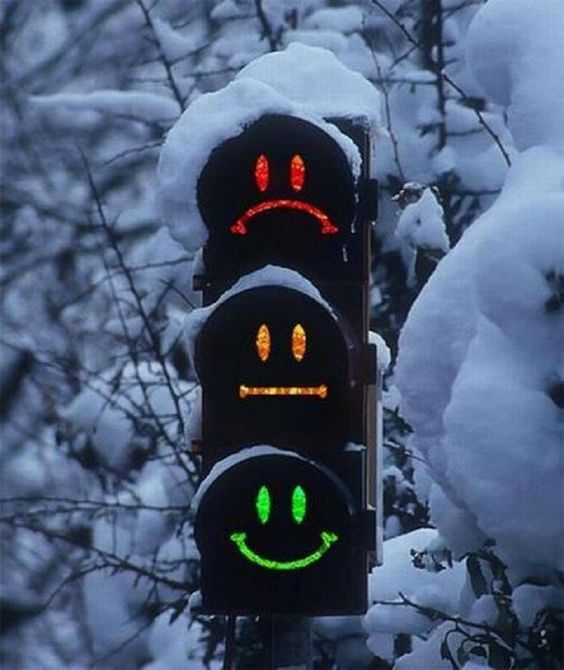
Once a button is pushed, the body reacts. We tighten up. We hold our breath. We release audible sighs of exasperation. We complain, whine, vent. We get louder, more aggressive, more sarcastic, or more apathetic. We attack. We withdraw. We react.
By Kim Stevens-Redstone
We all have buttons. Those buttons that get pushed on a regular basis.
What pushes yours? Traffic? Weather? Injustice? Noises? Rudeness? Smells? Whose behavior pushes your buttons? Your coworkers’? Kids’? Parents’? Newscasters’? Random strangers’? Whose mere presence pushes your buttons? The guy eating egg salad on the bus? The slowly ambling pedestrian in the middle of the road? The person hovering over you in the grocery line with no sense of personal space?
What things set you off? The rain? The lingering smell of fried food on your clothes after leaving a restaurant? A messy room? An unexpected change in routine?
There are so many things that push our buttons—the little annoying things, the big annoying things, huge inconvenient things, the little annoying people, the big annoying people. Hugely annoying people.
So very annoying. They push our buttons.
Once a button is pushed, the body reacts. We tighten up. We hold our breath. We release audible sighs of exasperation. We complain, whine, vent. We get louder, more aggressive, more sarcastic, or more apathetic. We attack. We withdraw. We react.
Habitually, we react.
These annoyances stay with us. And the reactions are programmed into us. If you try to sit and meditate all sorts of annoying thoughts will pop into your head. Because all of the annoying things live there in your head. All of the annoying people live there in your head too. The annoyances are all yours! After all, you are the one who is annoyed.
This is what makes the meditation practice so difficult. It’s annoying. But, with practice, you learn to sit with each annoyance and let it pass. You let it pass without getting up and walking away, without checking the timer to see how much time has passed, without scratching that itch on your nose. You sit and breathe and let it pass. And pass it does. Then another annoyance will find its way into your mind and body and you will let that pass. You will start to notice repeat annoyances. Repetitive thoughts or itches or twinges that keep popping over and over.
You will let them pass.
Then, you will start to notice moments with no annoyances at all. Then more of those moments. Then more. Then, one day you will realize that the practice has started to wear your buttons down. One day you will realize that someone cut you off in traffic and you just kept driving, and breathing and singing Copa Cabana. One day you will realize that after your father/mother/coworker said the same snarky thing they’ve been saying for 15 years, the same thing that usually starts the argument, you haven’t taken the bait. You just sat and breathed and smiled on the inside, and waited for the moment to pass.
Because of your practice, you are in complete control of your buttons. You know that you are responsible for your reactions. You know that you can let your reactions pass.
Meditation at first magnifies all of your buttons, then it slowly wears each one down. Eventually, no one will be able to push them. Nothing will be able to push them. You are in complete control of your buttons. It’s an awesome responsibility, to wield such power.
And it all starts with one controlled breath.
Kim Stevens-Redstone is. And she is so very happy to be. Sometimes she writes about it at skiptomyloumydharma.com, but mostly she just tries to flow with it, learn from it, and be amazed by it all.
Did you like this post? You might also like:
The Profound Simple Beauty in OM
OM is just OM. There’s a profound, simple beauty to that. The same feeling I get when I’m in nature, at rest among the meadows and trees. That’s where I feel like myself.

- Loving-Kindness for the Weeks That Are Too Much - October 6, 2026
- The Finger on the Glass - September 30, 2026
- Fishes’ Eyes Swim with Tears - September 12, 2026
Comments
- Loving-Kindness for the Weeks That Are Too Much - October 6, 2026
- The Finger on the Glass - September 30, 2026
- Fishes’ Eyes Swim with Tears - September 12, 2026